10 Oct 2026
Behavioral Shifts Among Bettors Following Oversight Reforms in Digital Sports Platforms
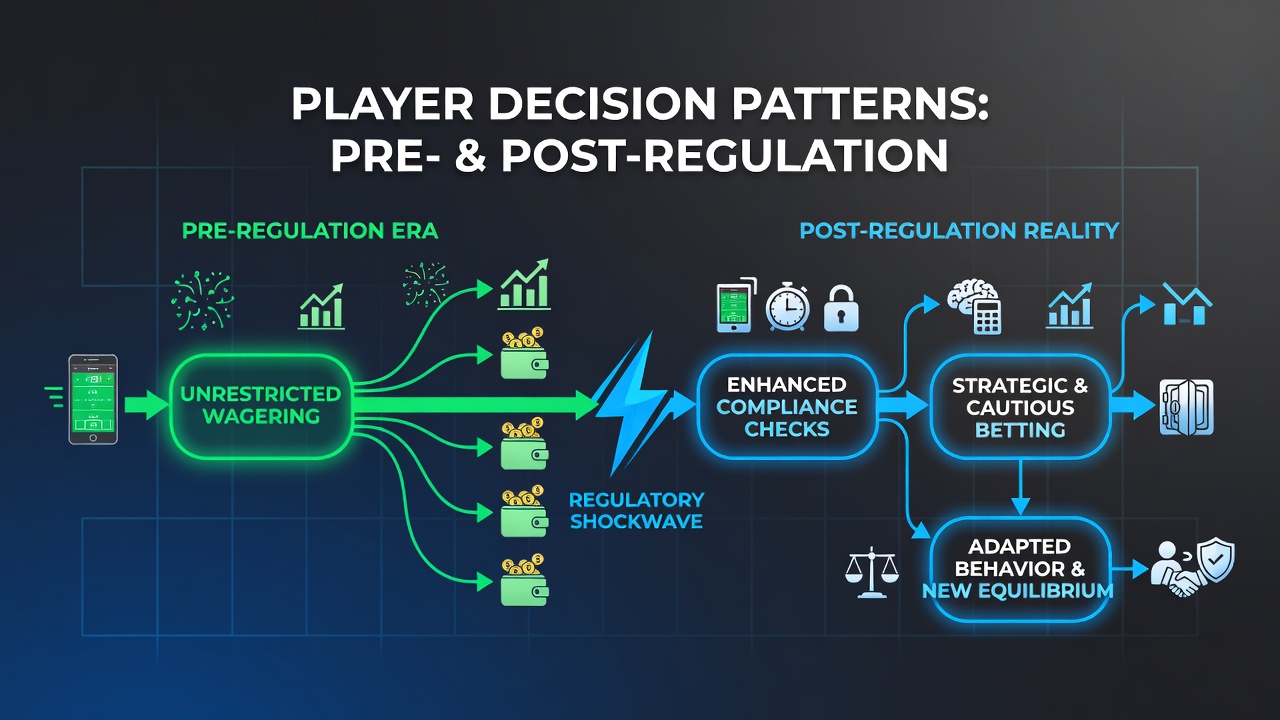 Regulatory updates across multiple jurisdictions have prompted measurable changes in how participants approach wagers on digital sportsbooks, with data tracking adjustments in bet types, session lengths, and risk levels since early 2025. Observers note that these modifications often stem from new deposit limits, verification requirements, and advertising restrictions implemented in various markets. Research from the National Council on Problem Gambling indicates that users in affected regions reduced high-frequency small-stake bets by approximately 18 percent within six months of similar rule changes taking effect. Analysts examining transaction records find that bettors increasingly favor pre-match selections over live in-play options when platforms introduce stricter real-time monitoring protocols. This pattern emerged clearly in Canadian provinces where provincial regulators rolled out enhanced responsible gambling tools in late 2025. Those who studied user logs report a corresponding rise in multi-leg accumulator bets, which some attribute to the perception of better value under adjusted odds structures.
Key Regulatory Milestones and Their Reach
Updates rolled out in October 2026 across several Australian states introduced mandatory cooling-off periods between deposit attempts, and figures from industry monitoring groups show an immediate dip in overall wager volume during peak evening hours. European operators faced parallel requirements around age verification speed, leading to longer onboarding times that correlated with fewer impulse sign-ups according to reports compiled by the European Gaming and Betting Association. These staggered implementations created natural comparison points for researchers tracking cross-border account activity.
Platform operators responded by surfacing more educational pop-ups about odds calculation, and transaction data reveals that users began pausing more frequently before confirming selections. One study from a Canadian research consortium documented a 12 percent increase in average time spent reviewing bet slips after such prompts became standard.
Observed Changes in Wager Selection Patterns
Bettors appear to gravitate toward lower-variance markets when facing tighter loss-limit settings, with data showing reduced activity in prop bets and novelty wagers. Those reviewing anonymized datasets note that football and basketball remain dominant, yet the proportion of straight bets has risen relative to parlays in markets with recent deposit cap adjustments. Researchers at academic institutions tracking these trends highlight that session duration shortened on average, while the number of distinct sports per user increased slightly as participants diversified to stay within new spending boundaries.
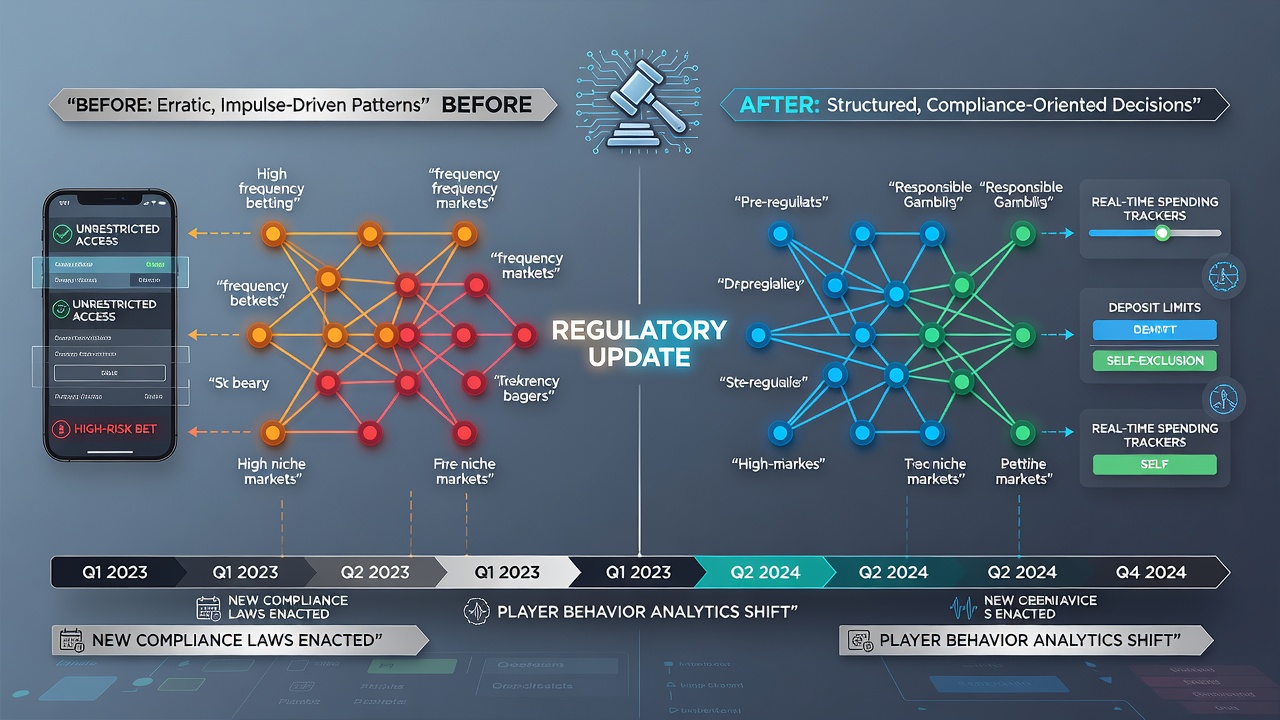
Payment method preferences also shifted, with many users moving toward prepaid cards or e-wallets that facilitate easier adherence to daily caps. Government reports from Australian oversight bodies detail how these instruments now account for a larger share of deposits compared to direct bank transfers in the months following the October 2026 rules. The reality is that such adjustments allow participants to maintain control without triggering additional verification steps mid-session.
Regional Variations in Player Responses
North American markets displayed quicker adaptation through increased use of responsible gambling self-exclusion tools, whereas operators in parts of Europe recorded steadier retention via loyalty programs redesigned around safer play incentives. Data compiled by international gaming associations shows that jurisdictions with prior experience of similar reforms experienced milder initial drops in activity. Those monitoring cross-platform migration note some users opening accounts in less regulated environments, though overall participation numbers stabilized within three to four months in most cases.
What's interesting is how promotional structures evolved in tandem, with bonus offers pivoting toward free bets rather than deposit matches to comply with new marketing guidelines. Transaction analysis indicates that redemption rates for these revised offers remained consistent, suggesting participants adjusted their decision criteria accordingly.
Conclusion
Evidence from multiple monitoring sources demonstrates that regulatory updates continue to influence decision patterns on digital sportsbooks through altered bet preferences, session behaviors, and payment choices. Figures reveal ongoing adaptation as operators refine features to align with evolving compliance standards, while users recalibrate strategies within the new frameworks. Continued data collection from diverse regions will clarify the longer-term trajectory of these shifts.