21 Nov 2026
Payment Processor Policies: Their Direct Influence on Withdrawal Processing Across Digital Betting Platforms
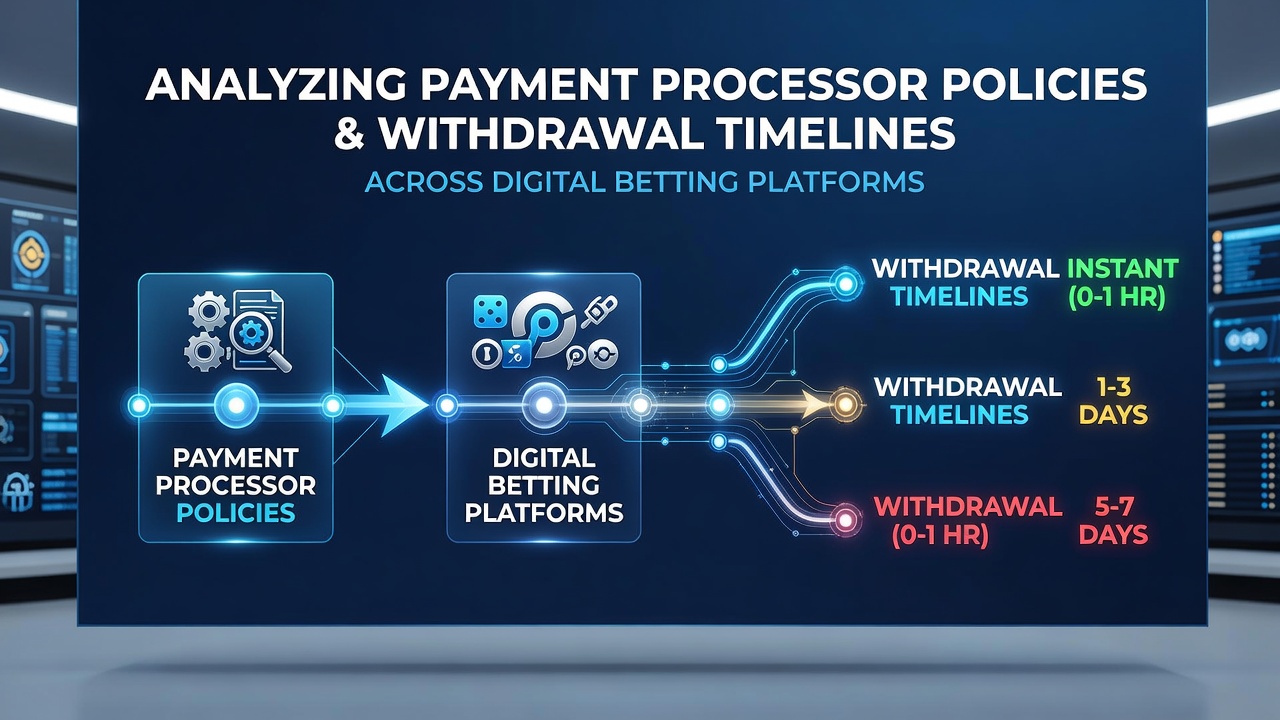
Payment processor policies establish the framework that determines how quickly funds move from digital betting platforms back to users, and these rules vary by provider, region, and transaction type. Processors such as those handling credit cards or e-wallets impose verification layers, risk assessments, and compliance checks that extend or shorten payout windows depending on the jurisdiction and operator setup. Data from regulatory filings show that platforms using multiple processors often experience staggered timelines because each entity applies its own fraud detection thresholds and anti-money laundering protocols.
Core Mechanisms Behind Processing Delays
Verification requirements sit at the center of most delays, since processors mandate identity confirmation before releasing funds, and this step alone can stretch from hours to several business days when documentation needs manual review. Operators integrate these checks at the account level while processors run parallel scans that flag high-volume accounts or those with recent chargebacks, creating bottlenecks that compound when multiple policies overlap. Research from industry reports indicates that platforms operating across borders face additional layers because processors align their rules with local banking regulations, which means a withdrawal approved in one market might trigger extra scrutiny in another.
Seasonal patterns also emerge in the data, with November 2026 marking the rollout of updated transaction monitoring standards in several North American and European markets that require processors to apply enhanced screening on gambling-related transfers above certain thresholds. Those adjustments have already begun shifting average processing times upward for affected platforms, particularly those relying on traditional card networks rather than specialized fintech partners.
Regional Variations and Processor Selection
Operators select processors based on licensing compatibility, and this choice directly shapes withdrawal speeds because each provider brings distinct policy sets tied to its home regulatory environment. Platforms licensed in Malta or the Isle of Man frequently partner with processors that accommodate faster e-wallet settlements, whereas those focused on North American markets often default to card processors subject to stricter federal banking guidelines. Observers note that one major operator reduced average withdrawal times from five days to under 48 hours after switching to a processor with lighter compliance overlays, yet the same change introduced new limits on maximum single-transaction amounts that affected high-volume users.
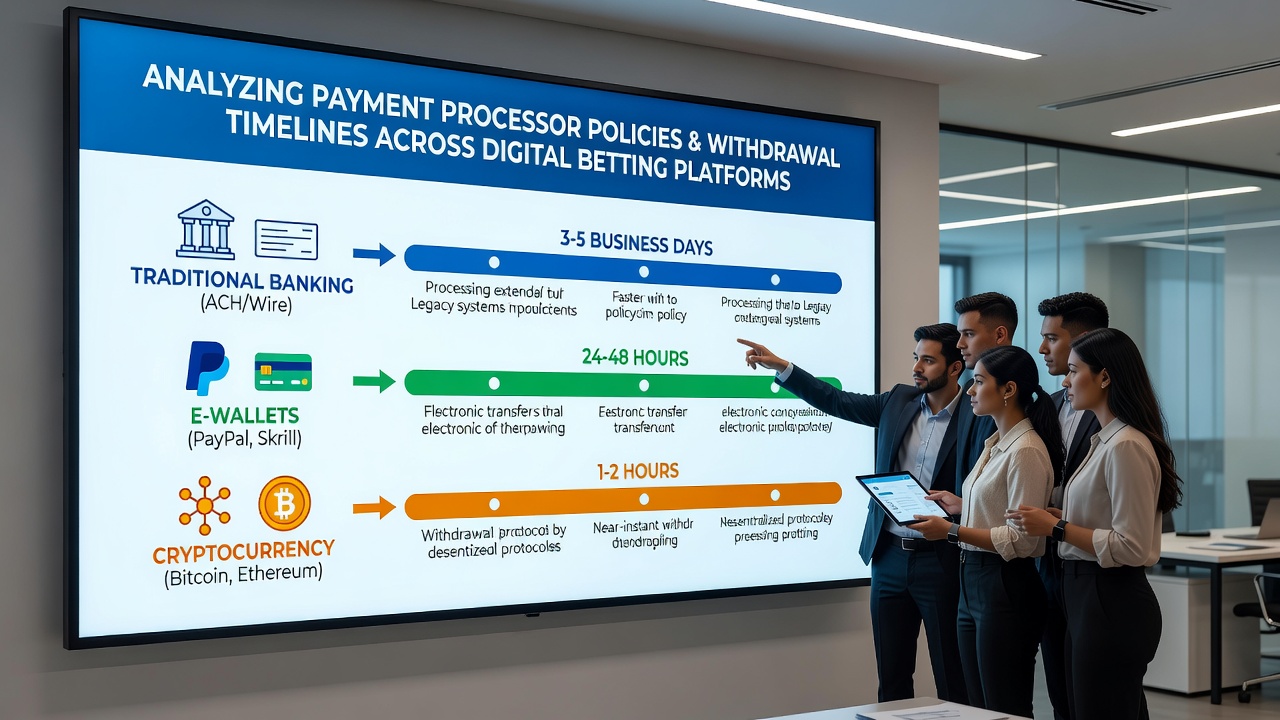
According to figures released by the Pennsylvania Gaming Control Board, withdrawal processing statistics across state-regulated sportsbooks reveal consistent differences tied to processor type, with digital wallet options clearing in one to two days while card-based methods average four to seven days. Similar patterns appear in Australian markets where the Australian Communications and Media Authority tracks processor-driven delays in online wagering reports, showing that platforms using local banking partners achieve quicker turnaround than those dependent on international card schemes.
Impact of Compliance Overlays on Platform Operations
Operators respond to processor policies by adjusting internal workflows, including automated flagging systems that route certain withdrawals for manual review before they even reach the processor stage. This pre-screening reduces rejection rates but adds internal processing time that users experience as part of the overall timeline. Data from platform audits indicate that accounts undergoing enhanced due diligence because of recent activity spikes see withdrawals held an average of three additional days, regardless of the underlying processor.
Payment processors also enforce chargeback windows that extend far beyond initial settlement, forcing operators to maintain reserve funds and sometimes delaying final clearance until those windows close. Those who've studied transaction logs across multiple platforms find that e-wallet processors generally impose shorter reserve periods than card networks, which explains why many digital betting services prioritize wallet integrations for users seeking faster access to winnings.
Future Adjustments and Industry Responses
Industry associations have begun publishing comparative studies that map processor policies against actual withdrawal performance, giving operators clearer benchmarks for selecting partners. These analyses show that platforms combining multiple processor types can route withdrawals dynamically based on user location and amount, which mitigates some delays but requires sophisticated backend systems to manage compliance across providers. As November 2026 approaches, several processors have signaled forthcoming updates to their gambling transaction codes, changes expected to standardize certain verification steps while introducing new reporting requirements that could temporarily extend processing windows during the transition.
Conclusion
Payment processor policies remain the primary determinant of withdrawal timelines across digital betting platforms, with verification layers, regional rules, and compliance thresholds creating measurable differences in how quickly funds reach users. Operators continue adapting their processor mixes and internal procedures to balance speed against regulatory demands, while data from oversight bodies demonstrate that these choices produce consistent, quantifiable effects on payout durations. The interplay between processor standards and platform operations will likely grow more complex as new monitoring requirements take effect in late 2026.